
OEM Leather Goods: From Concept to Scalable Production
TN
Turning Concepts into Market-Ready Products
OEM leather goods manufacturing enables brands to transform ideas into finished, scalable products without owning factories or managing complex production environments. However, successful execution depends on selecting a partner that understands both design intent and production realities and who is committed to building a long-term partnership rather than delivering a single product.
At Adiantes, the partnership with each client is of the highest importance. Many projects are not limited to one standalone item but are part of a broader vision to develop long-term collections and product ecosystems.
Understanding a client’s long-term brand direction, positioning, and growth ambitions allows for better material choices, construction methods, and production planning from the outset. A structured OEM process therefore reduces risk, controls costs, and ensures consistency across present and future collections.
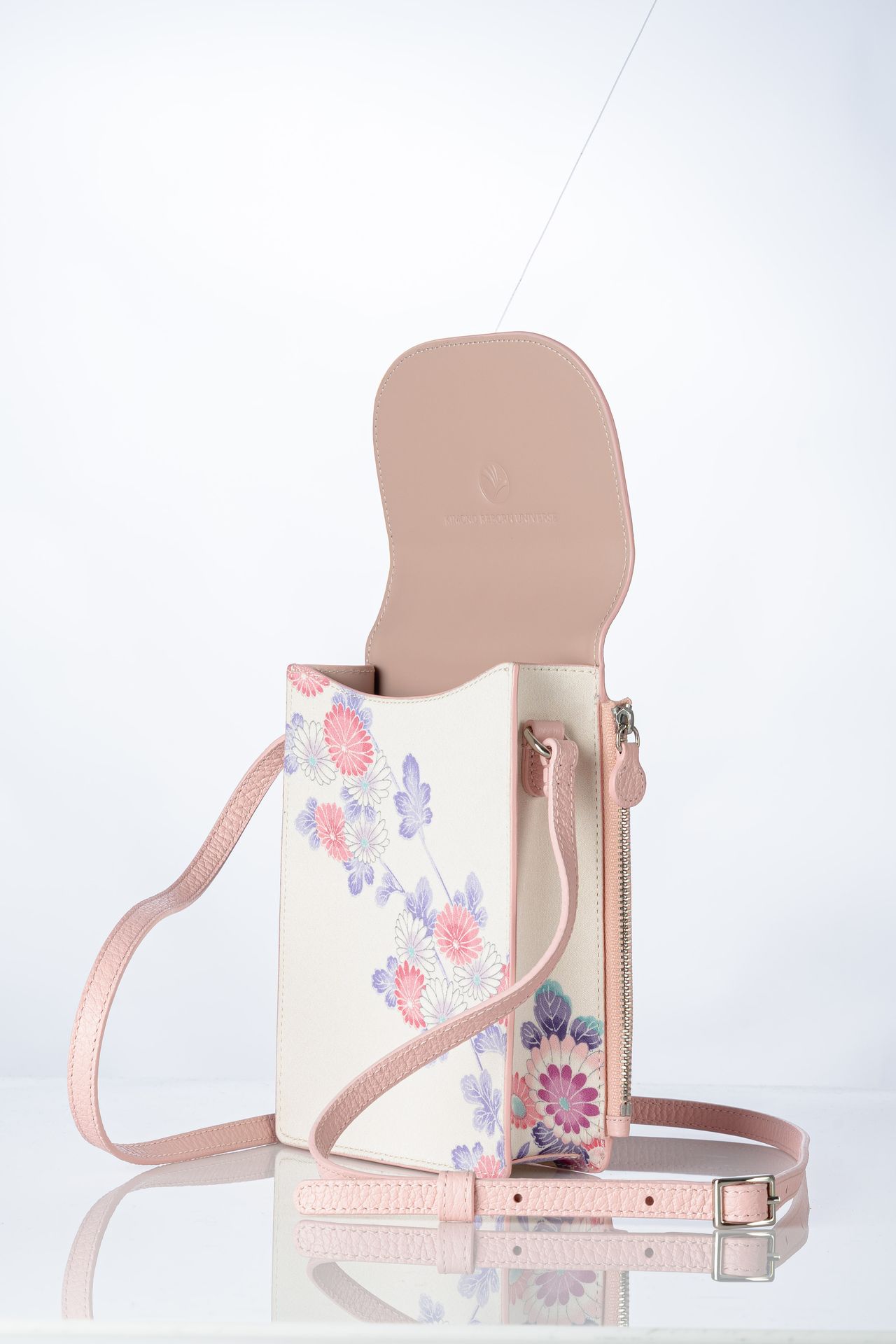
Step 1: Concept Development and Design Translation
Every successful OEM project begins with a clear understanding of the brand’s objectives and long-term vision. This includes:
- Target market and price positioning.
- Functional and performance requirements.
- Sustainability and material preferences.
- Expected volumes and future collection development.
For Adiantes, this phase goes beyond a single product brief. We work closely with clients to understand how an item fits into a broader collection strategy, ensuring design and engineering decisions today support scalability and continuity tomorrow.
Design concepts are translated into technical specifications, material recommendations, and construction methods optimized not only for aesthetics but also for manufacturability, durability, and consistency across production runs.
Step 2: Material Selection and Prototyping
Material selection has a direct impact on product durability, pricing, sustainability, and long-term supply stability. During the development phase:
- Multiple leather and alternative materials are evaluated.
- Hardware, linings, and finishing techniques are tested.
- Prototypes are refined to balance design intent with production feasibility.
This stage ensures that each product meets brand expectations while remaining viable for consistent production. It also establishes material standards that can be carried across future products within the same collection.
Step 3: Sampling, Testing, and Costing
Once prototypes are approved, the focus shifts to validation and transparency. This includes:
- Wear and durability testing.
- Quality and tolerance verification.
- Final cost engineering and optimization.
Clear and transparent costing at this stage is essential. It allows brands to make informed decisions on materials, construction, and packaging while preventing unexpected adjustments later in production. For long-term partnerships, this transparency supports stable pricing structures across future product expansions.
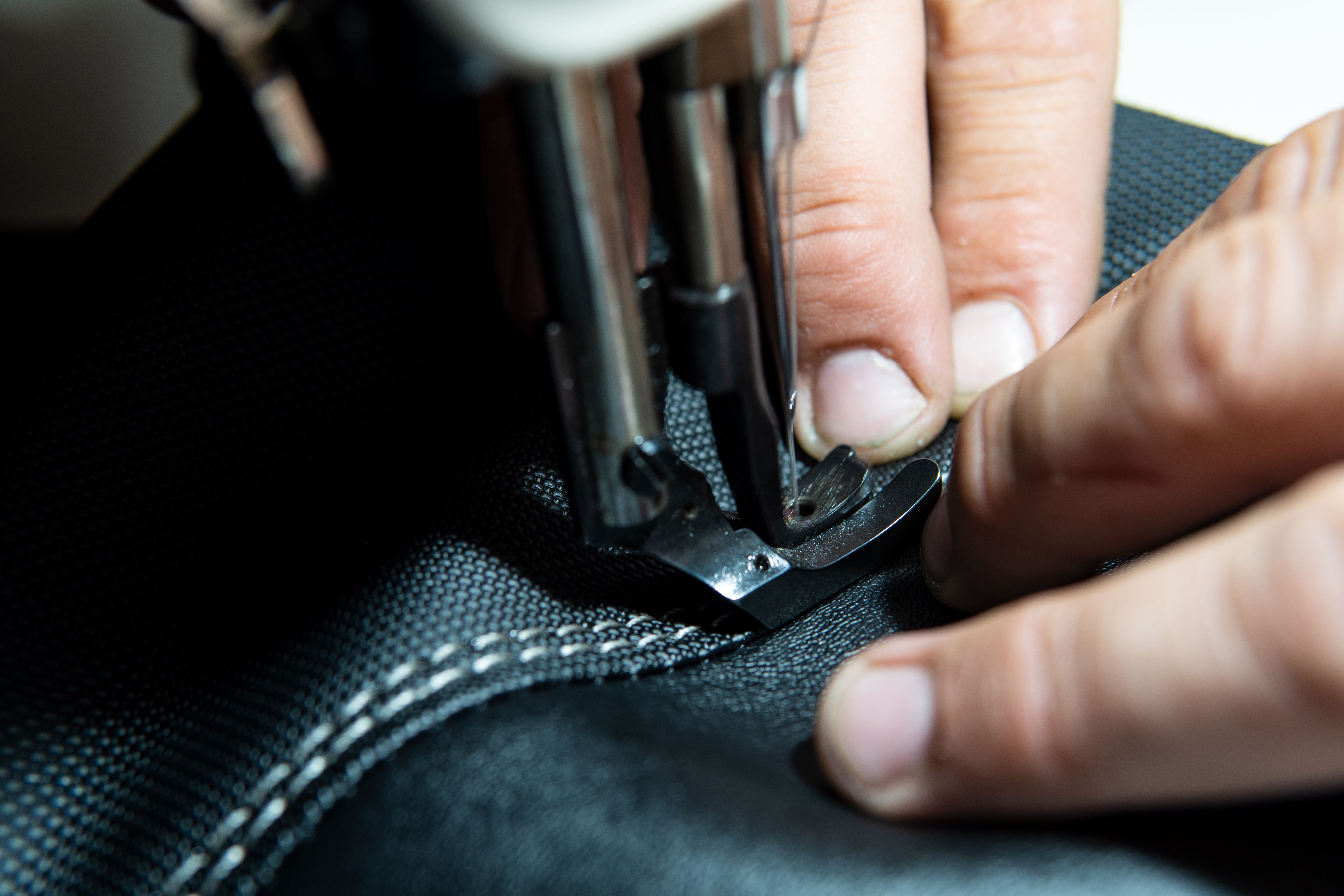
Step 4: Production Planning and Quality Control
OEM production is not only about manufacturing a product; it is about delivering consistent quality over time. Effective production planning includes:
- Defined timelines and capacity allocation.
- Structured quality control checkpoints.
- Batch-level inspection and traceability.
Adiantes places strong emphasis on aligned forecasting and collaborative planning with clients. This ensures stable production volumes, consistent quality standards, and the ability to scale collections efficiently as demand grows.
Common Mistakes Brands Should Avoid
Brands entering OEM production should be mindful of common pitfalls:
- Designing products without understanding manufacturing constraints.
- Selecting suppliers based solely on unit cost rather than long-term value.
- Overlooking scalability when developing initial products.
- Treating projects as one-off items rather than part of a long-term collection.
- Neglecting ethical and sustainability considerations.
Avoiding these mistakes requires selecting a partner that prioritizes transparency, planning, and shared long-term objectives.
The Value of the Right OEM Partner
A strong OEM manufacturer acts as an extension of the brand, balancing design ambition with operational discipline and long-term strategic thinking. At Adiantes, we view each collaboration as a partnership built over time, supporting not only individual product launches but also the development of cohesive, scalable collections.
When approached strategically, OEM leather goods manufacturing allows brands to grow with confidence, ensuring consistency in quality, sustainability, and brand identity while building a foundation for long-term success.